Archives
- 2026-08
- 2026-07
- 2026-06
- 2026-05
- 2026-04
- 2026-03
- 2026-02
- 2026-01
- 2025-12
- 2025-11
- 2025-10
- 2025-09
- 2025-04
- 2025-03
- 2025-02
- 2025-01
- 2024-12
- 2024-11
- 2024-10
- 2024-09
- 2024-08
- 2024-07
- 2024-06
- 2024-05
- 2024-04
- 2024-03
- 2024-02
- 2024-01
- 2023-12
- 2023-11
- 2023-10
- 2023-09
- 2023-08
- 2023-07
- 2023-06
- 2023-05
- 2023-04
- 2023-03
- 2023-02
- 2023-01
- 2022-12
- 2022-11
- 2022-10
- 2022-09
- 2022-08
- 2022-07
- 2022-06
- 2022-05
- 2022-04
- 2022-03
- 2022-02
- 2022-01
-
br Results br Discussion Control of chronic
2024-08-23
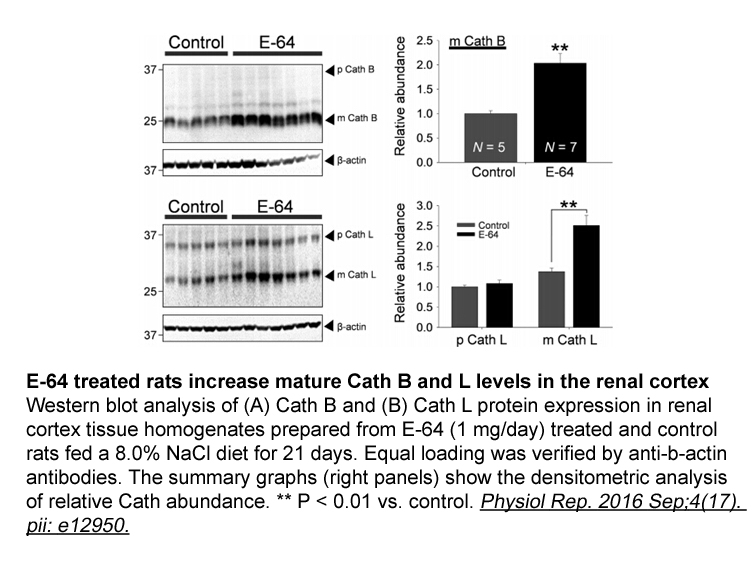
Results Discussion Control of chronic inflammation is important in several inflammatory conditions like asthma, rheumatoid arthritis and fibrosis in lung diseases. The regulatory pathways that control chronic inflammation are complex and multi-factorial. Over expression of inflammatory mediato
-
A key function of the reference AFST would be to
2024-08-23
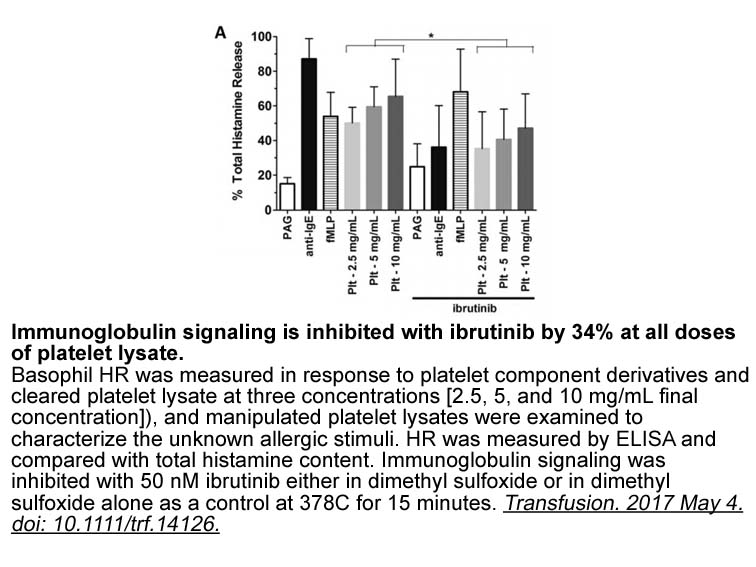
A key function of the reference AFST would be to detect fungal resistance, i.e. to determine which antifungal agents are likely to be clinically inactive [2]. To this end, the epidemiological cut-off value, defined as ‘the upper end of the wild-type (WT) or beginning of the non-wild-type (NWT) MIC d
-
br Introduction Sustained over activation of
2024-08-23
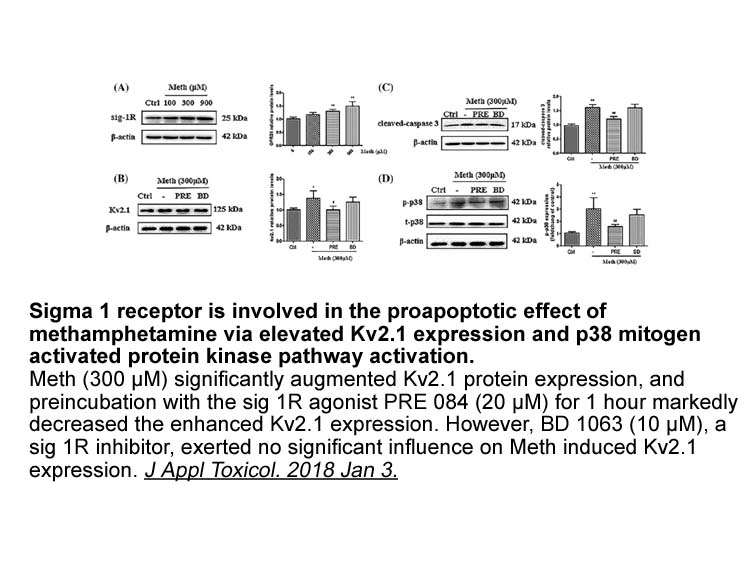
Introduction Sustained over-activation of neurohormonal systems is a hallmark in the pathophysiology of cardiac dysfunction following myocardial infarction (MI) and heart failure (HF). Inhibitors of the renin-angiotensin M344 system (RAAS) constitute cornerstones of pharmacotherapy for HF with l
-
Based on their different sources the APN inhibitors APNIs ca
2024-08-23
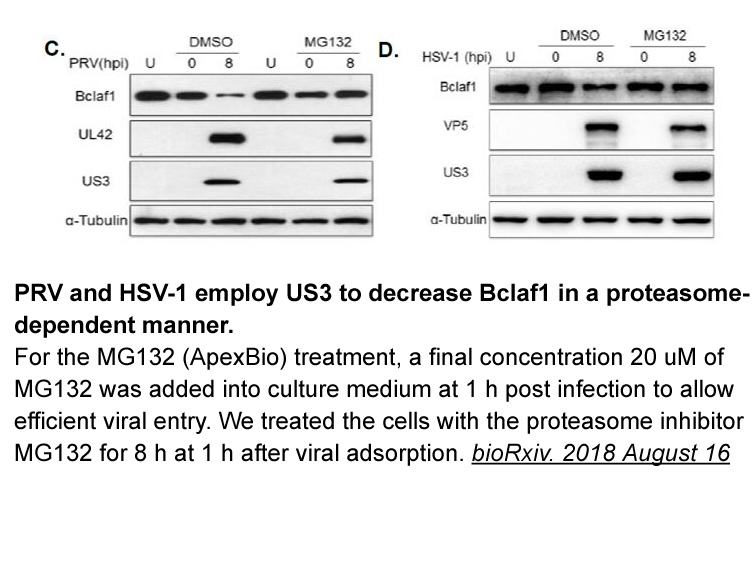
Based on their different sources, the APN inhibitors (APNIs) can be divided into the natural products and synthetic compounds. Bestatin (1, Fig. 1), isolated from the Streptomyces oliuoreticuli by Umezawa et al., is the first reported and only marketed natural dipeptidomimetic inhibitor of APN. Afte
-
It is also possible that adrenoceptor activation may inhibit
2024-08-23
It is also possible that α2-adrenoceptor activation may inhibit glutamate accumulation by upregulating the glutamate-buffering activity of Müller THZ531 through EAAT1 or adjusting EAAT2 in bipolar cells, as well as the NMDA receptor. Therefore, we investigated whether topical administration of brim
-
To determine the post translation modifications
2024-08-23

To determine the post-translation modifications in chicken adiponectin, we isolated adiponectin from chicken adipose tissue by immunoprecipitation. Chicken adiponectin was then subjected to tryptic digestion and UPLC/MS/MS. The collagenous domain of chicken adiponectin was found to possess certain W
-
Control of retinal vascularization during development and OI
2024-08-22
Control of retinal vascularization during development and OIR likely involves close interactions among endothelial cells, neurons and glial MK-4827 (microglial and astrocytes) (see Fig. 2). In particular, the interaction between endothelial tip cells and astrocytes plays a critical role in developm
-
Ten strains of lactobacilli TMW
2024-08-22
Ten strains of lactobacilli: TMW 1.1434 (isogenic with strain F19 ), TMW 1.1733 (isolated from fermented food), TMW 1.1628 (isolated from baby feces), TMW 1.1609 (isolated from baby feces), TMW 1.1734 (isolated from fermented food), TMW 1.313 (isolated from non-pasteurized Heineken beer), TMW
-
In addition we performed Western blot analysis of different
2024-08-22
In addition, we performed Western-blot analysis of different areas of mouse brain with PDK1 inhibitor against mAck1 (Ureña et al., 2005). The data obtained showed a high rate of expression in neocortex, hippocampus, cerebellum, and brainstem (Fig. 4). More moderate levels of expression were seen in
-
Our second patient years old male a
2024-08-22
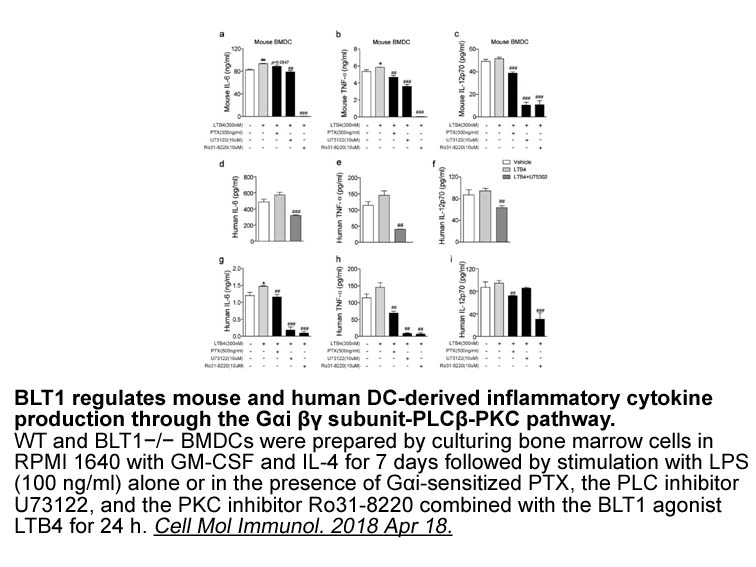
Our second patient, 42years old male, a farmer, was all right when he went to sleep, but noticed drooping of eyelids and swallowing difficulty when he woke up. He later developed flaccid weakness of all four limbs and was quadriplegic when he was wheeled into the emergency room. He was tachypneic an
-
rvx synthesis Because LTs are proved to mediate multiple bio
2024-08-22

Because LTs are proved to mediate multiple biological and pathological responses in various disease states, the 5-LO biosynthetic pathway producing LTs from AA have been the target of drug discovery efforts for over two decades. As observed from literature, a pile of research efforts has been direct
-
These results from the present study are summarized
2024-08-22
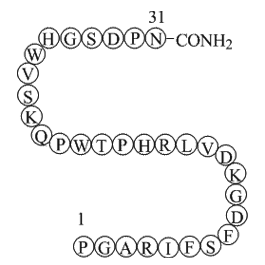
These results from the present study are summarized in Table 1. Eight drugs (doxorubicin, epirubicin, daunorubicin, idarubicin, irinotecan, imatinib, sunitinib and gefitinib) inhibited 5-HT-induced 5-HT3A and 5-HT3AB currents; three (irinotecan, topotecan and mitoxantrone) showed different responses
-
In conclusion we have designed and synthesized a series of
2024-08-22
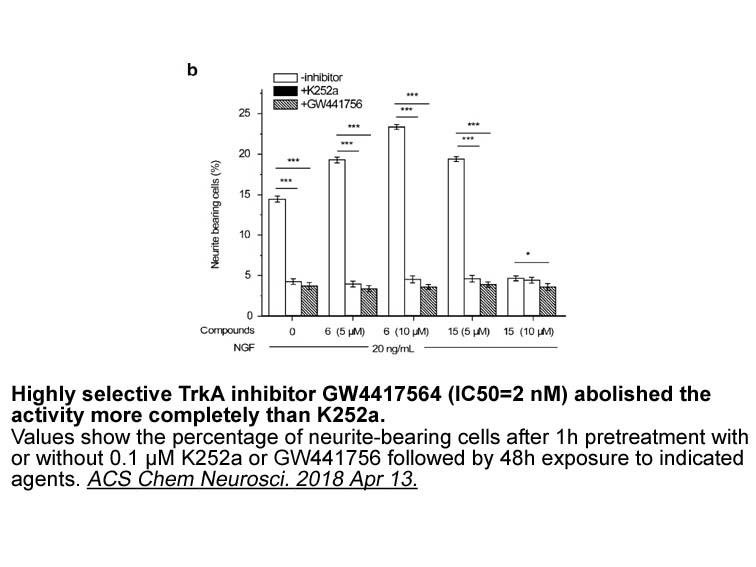
In conclusion, we have designed and synthesized a series of 4-phenyl-thiazole analogues as potent ATX inhibitors. Total twenty-five compounds were synthesized and evaluated for their inhibitory activity on ATX using FS-3 and human plasma assays. Compound was found to be the most potent derivative p
-
The importance of the ATM Tel to ATR Mec switch
2024-08-22

The importance of the ATM/Tel1 to ATR/Mec1 switch in the response to DSBs remains to be determined. Noteworthy, resection-defective S. cerevisiae cells, such as sae2Δ, exo1Δ, fun30Δ or sgs1Δ mutants, fail to turn off the checkpoint in response to an unrepaired DSB [56], [127], [128]. Moreover, the s
-
LY335979 We also showed that steatosis induced an
2024-08-22
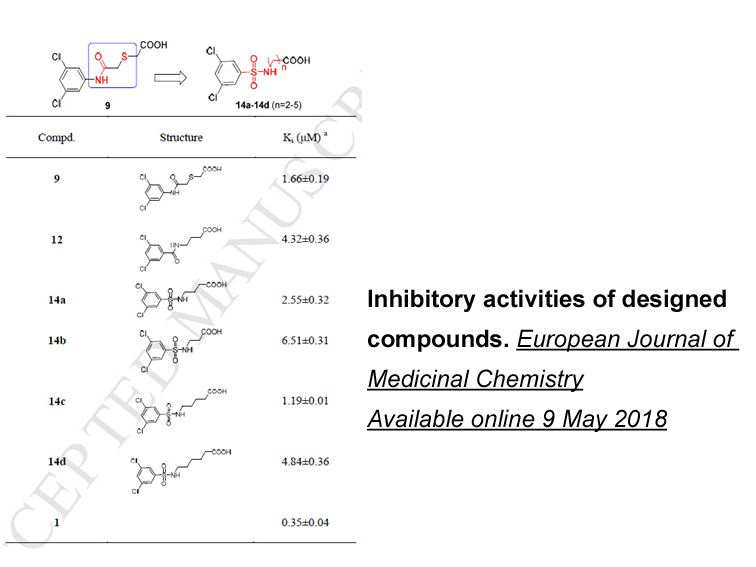
We also showed that steatosis induced an additional increase of ASK1 activation that was associated to the exacerbation of hepatocyte and liver damage and was unrelated to ER stress. Indeed, several settings, also different to ER stress, can induce ASK1 activation and many of them involve oxidative
8323 records 126/555 page Previous Next First page 上5页 126127128129130 下5页 Last page