Archives
- 2018-07
- 2019-04
- 2019-05
- 2019-06
- 2019-07
- 2019-08
- 2019-09
- 2019-10
- 2019-11
- 2019-12
- 2020-01
- 2020-02
- 2020-03
- 2020-04
- 2020-05
- 2020-06
- 2020-07
- 2020-08
- 2020-09
- 2020-10
- 2020-11
- 2020-12
- 2021-01
- 2021-02
- 2021-03
- 2021-04
- 2021-05
- 2021-06
- 2021-07
- 2021-08
- 2021-09
- 2021-10
- 2021-11
- 2021-12
- 2022-01
- 2022-02
- 2022-03
- 2022-04
- 2022-05
- 2022-06
- 2022-07
- 2022-08
- 2022-09
- 2022-10
- 2022-11
- 2022-12
- 2023-01
- 2023-02
- 2023-03
- 2023-04
- 2023-05
- 2023-06
- 2023-07
- 2023-08
- 2023-09
- 2023-10
- 2023-11
- 2023-12
- 2024-01
- 2024-02
- 2024-03
- 2024-04
- 2024-05
-
We also found that the
2024-05-15
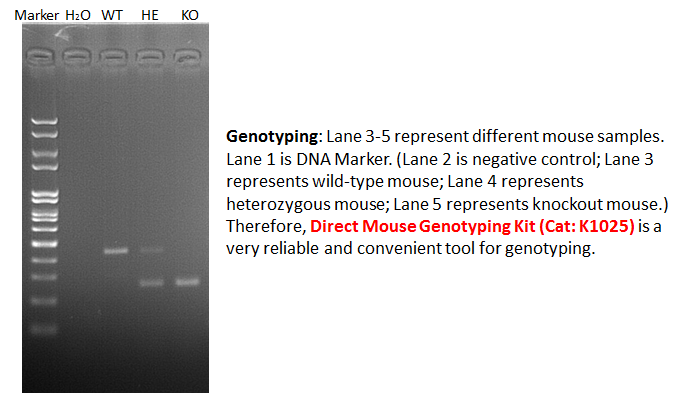
We also found that the size of mEPSC amplitude was reduced in unc-43 mutants, consistent with the decrease in synaptic GLR-1/GLR-2 heteromeric receptors. The decrease in mEPSC amplitude was not as great as that observed when measuring current in response to pressure application of glutamate. These d
-
An important observation is that this
2024-05-14

An important observation is that this patient has been on ALK inhibitor for more than 4 years (51 months: 27 months on crizotinib+24 months on alectinib and on-going) and there was no evidence of disease progression in the central nervous system. The other potential driver mutation in this patient’s
-
According to average serum fat
2024-05-14
According to average serum fat content of 6.9 g/L (Phillips et al., 1989) and serum dioxin level from individuals exposed to dioxins as the result of accidents in Seveso (Needham et al., 1997), Taiwan (Guo et al., 2004) and Vietnam (The Tai et al., 2011) the median serum concentration of TCDD would
-
To further clarify the vascular cell types expressing AR sub
2024-05-14
To further clarify the vascular cell types expressing AR subtypes, double immunofluorescence staining for ARs and vascular endothelial Rucaparib free base or vascular smooth muscles was performed. As shown in Fig. 3, Fig. 4, overlay images show the expression of all ARs subtypes that we examined in
-
br Experimental procedures Adk tg Adktm tg UbiAdk mice
2024-05-14
Experimental procedures Adk-tg (Adktm1−/−:tg(UbiAdk) mice were created by breeding a loxP-flanked Adk transgene under the control of a human ubiquitin promoter into ADK knockout mice (Fedele et al., 2005,). Fb-Adk-def (Adktm1−/−:tg(UbiAdk):Emx1-Cre-tg3) mice were generated by pairing Emx1-Cre-tg3
-
br Conclusions Several lines of evidence have
2024-05-14
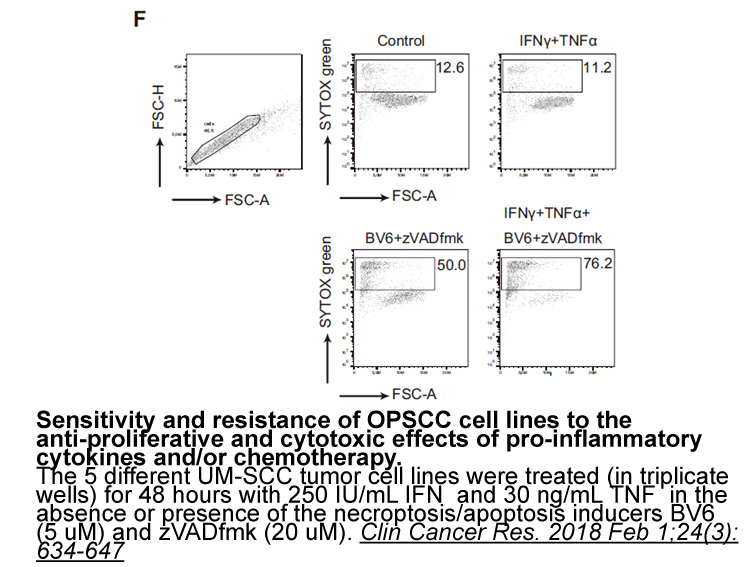
Conclusions Several lines of evidence have been established, which support the adenosine kinase hypothesis of epileptogenesis, which is based on a sequence of events leading from acute Norfloxacin hydrochloride injury to initial downregulation of ADK, rise in extracellular adenosine, changes in a
-
br In our experience br History of ER and
2024-05-14

In our experience History of ER and ACh tests As shown in Table 1, Stein et al. first reported the usefulness of intravenous injection of ER in diagnosing coronary insufficiency in 1949 [16]. In 1972, the first ER spasm provocation test was employed at the Cleveland Clinic during cardiac cathe
-
br Disclosure br Acknowledgement br Introduction
2024-05-14
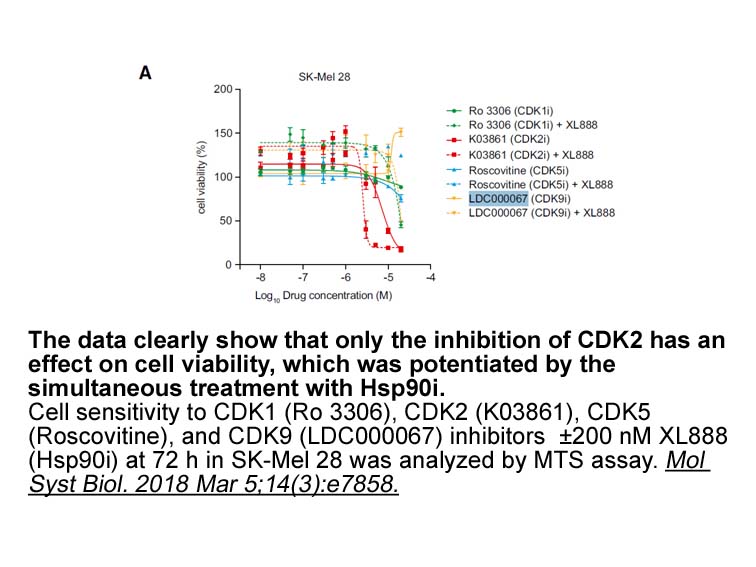
Disclosure Acknowledgement Introduction CYP17A1 is a multifunctional enzyme with both 17α-hydroxylase and 17,20-lyase activities and is essential for the biosynthesis of steroidal Triflusal in male testes and adrenal glands. The 17α-hydroxylase activity of CYP17A1 is involved in the conver
-
br Role of LPA in
2024-05-14
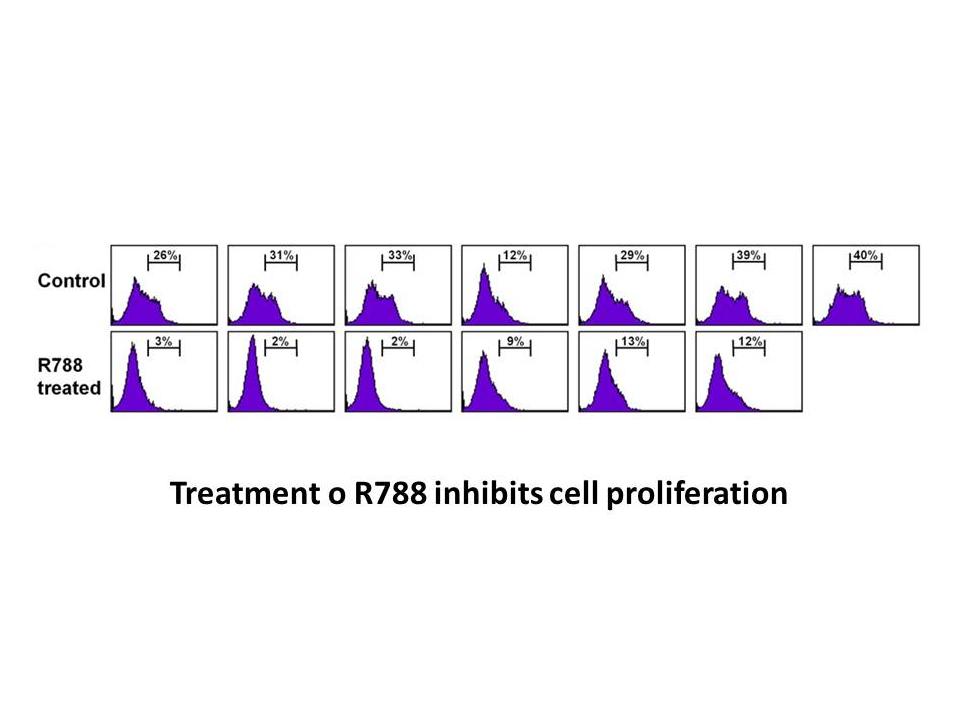
Role of LPA in tumor angiogenesis and skeletal metastasis The angiogenesis switch is essential for tumor expansion and escape of tumor Omeprazole sale from the primary site and forming distant metastases. Evidence for the role of LPA2 and LPA3 in the mobility of endothelial cells and the formati
-
ML324 br Results br Discussion Context specific and dynamic
2024-05-14
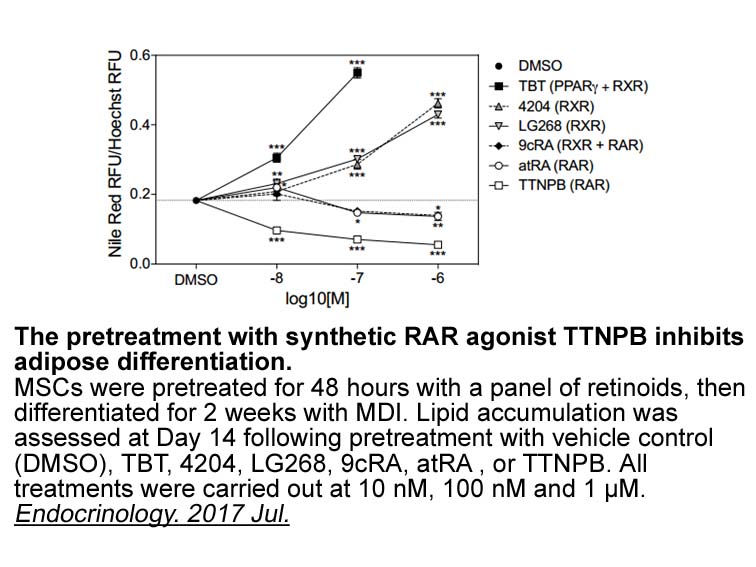
Results Discussion Context-specific and dynamic post-translational protein modifications are well-established regulators of the signaling pathways that protect eukaryotic DNA integrity during the tremendous task of replication. Advancements in speed, resolution, and sensitivity of MS-based tec
-
In vascular endothelial cells L arginine produces nitric oxi
2024-05-14
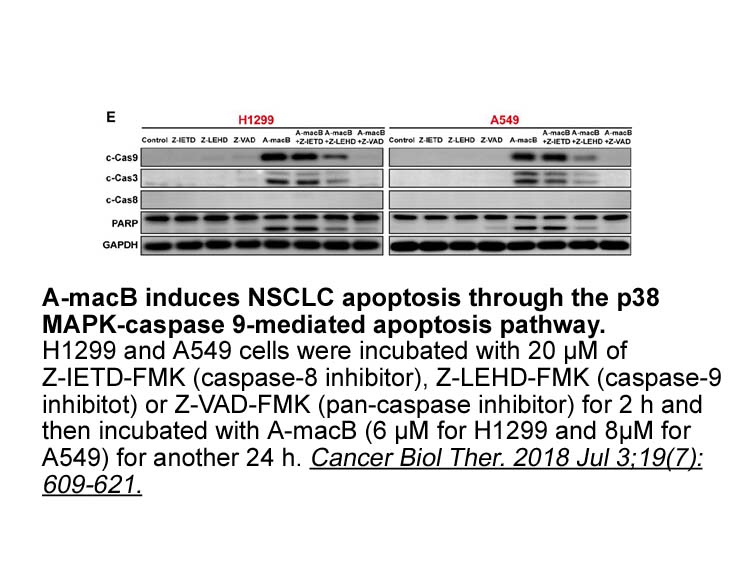
In vascular endothelial cells, L-arginine produces nitric oxide (NO) under the action of nitric oxide synthase (NOS), and nitric oxide can activate guanylate cyclase to produce a large amount of cGMP, thereby relaxing vascular smooth muscle and expanding blood vessels. Numerous studies have confirme
-
MMP is the most critical
2024-05-14
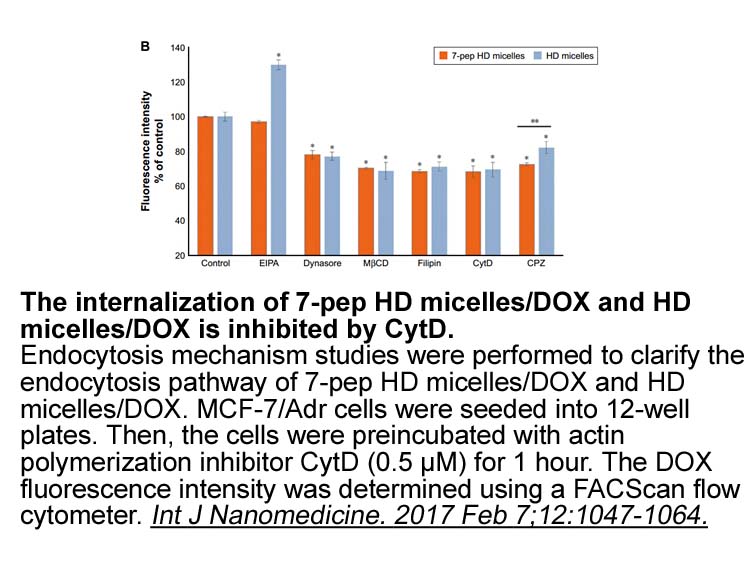
MMP9 is the most critical protease which is involved in the degradation of ECM. TIMP-1 is an important regulator in the synthesis and degradation of ECM [8,9]. Hepatic TIMP-1 expression significantly increases in patients with liver fibrosis [10]. Serum level of TIMP-1 expression is positively assoc
-
br Results Four HT esters butyrate caprylate laurate and
2024-05-14
Results Four HT esters (butyrate, caprylate, laurate and stearate esters) were chosen as representative compounds of increasing lipophilicity (Fig. 1). We will refer to them as C4HT, C8HT, C12HT and C18HT, respectively. They have been synthesized, purified and characterized according to our previ
-
It has been proposed that
2024-05-13
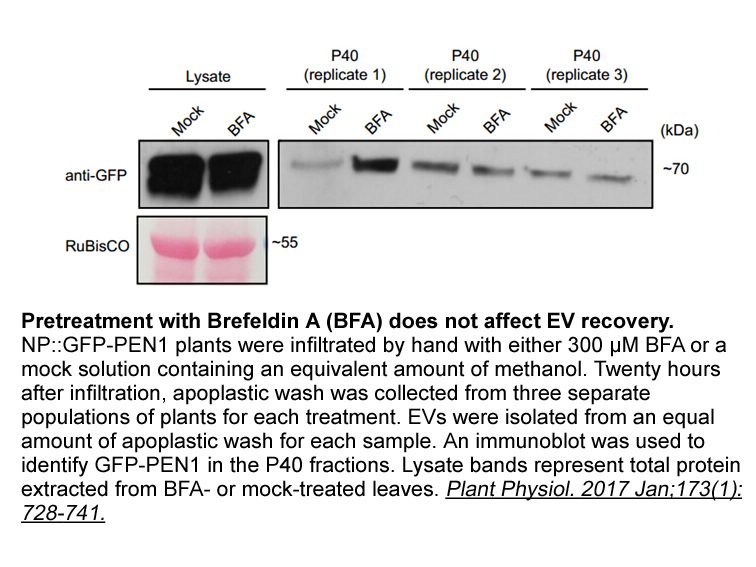
It has been proposed that angiotensin II (Ang II) may upregulate COX-2 expression and the subsequent vasoconstrictor prostanoids production through the activation of AT-1 receptors in vascular smooth muscle cells (Hu et al., 2002). Additionally, this peptide is also able to stimulate the generation
-
To date attention has been directed towards new molecular ta
2024-05-13
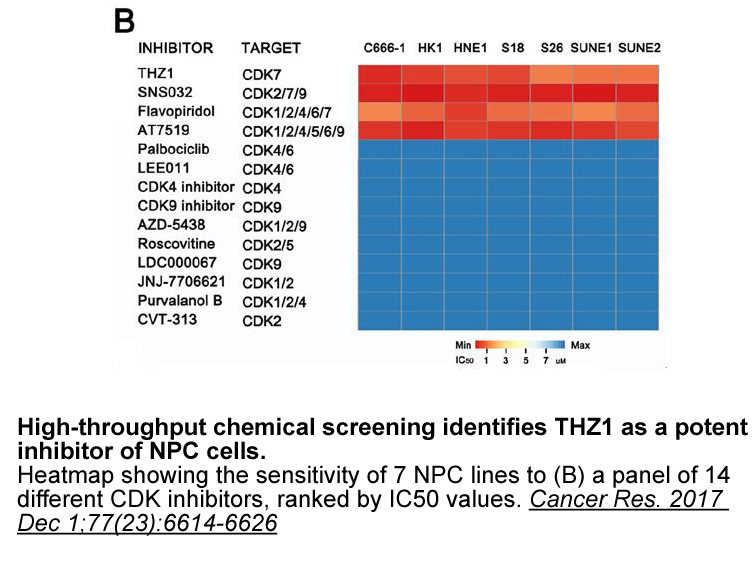
To date, attention has been directed towards new molecular targets in luminal phenotype (ER-positive), such as CDK4/6 and, to a lesser extent, androgen receptor (AR) pathways [8]. While the role of CDK4/6 has been elucidated and their inhibitors have shown a benefit in luminal BC, the role of AR in